 Free quote
Montgomery County
Garage door repair in Montgomery, TX, from the historic town to the gated lake and golf communities. Springs, openers and replacements. Open 24/7.
Services
Peak Garage Door Repair covers Montgomery from our base in Conroe, about fifteen miles to the east along Highway 105. We fix broken springs and cables, repair and replace openers, straighten doors that have come off their tracks, and install new doors when the old one is finished. You get the diagnosis and the price before we start, and nothing extra is done without your go-ahead. The phone is answered 24 hours a day, every day of the year.
Montgomery is one of the oldest towns in Texas. It was founded in 1837, served as the first county seat of Montgomery County, and calls itself the birthplace of the Lone Star flag. Today the name also covers a very different kind of place: the established lake and golf communities along the west side of Lake Conroe. Garage doors in those two settings age differently, and the questions homeowners ask us are different too.
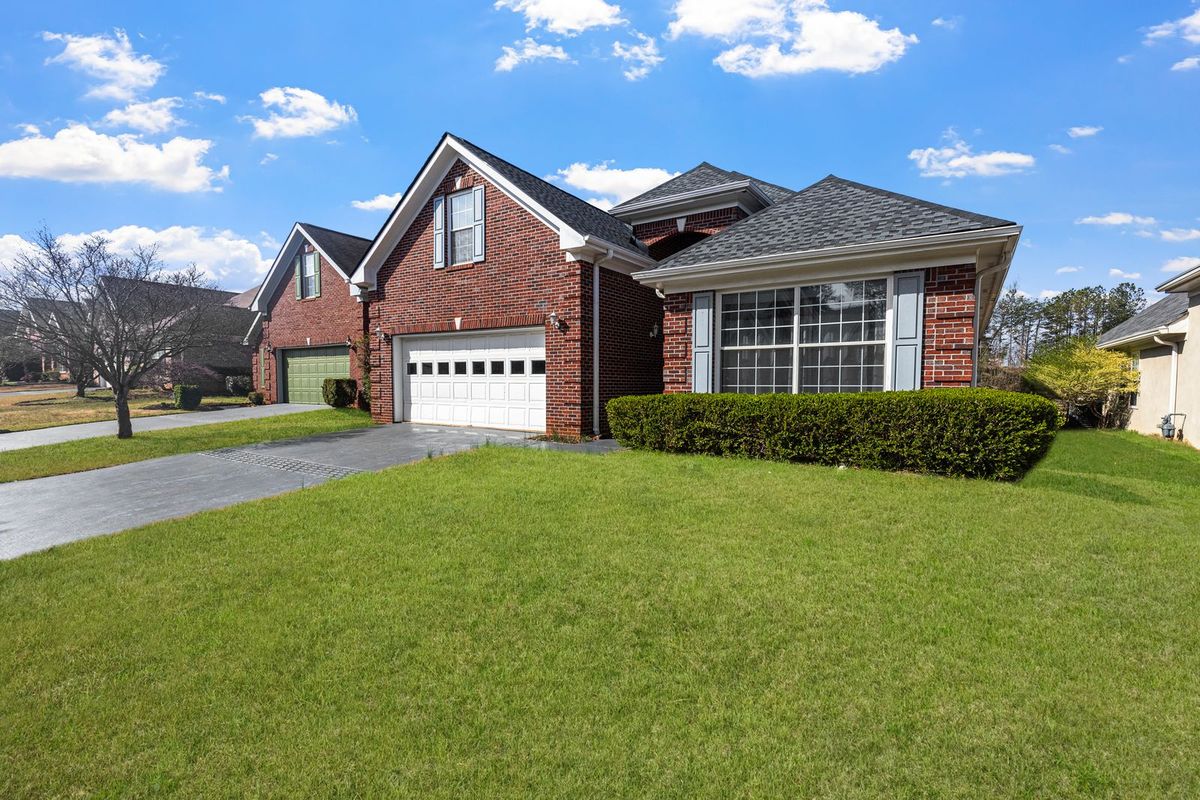
Much of the housing around Montgomery sits in gated communities on or near the water, such as Walden on Lake Conroe and April Sound, both of which grew up around golf courses and marinas. Walden's golf course dates from the 1970s, and many homes in these communities have been standing for decades. That gives the garage doors here a particular profile.
Older doors with newer parts. In a community that has been lived in for forty or fifty years, a typical garage has had its springs replaced at least once and its opener swapped out more than once. The result is often a mix of parts from different eras: an original wood or early steel door, springs fitted by whoever was called last, and an opener sized for a lighter door than the one it is actually moving. When we visit, we check that the springs actually match the door's weight, because a mismatched set wears out the opener and makes the door feel heavy by hand.
Humidity from two sides. Lake air, irrigated lawns and mature trees all hold moisture around the house. Steel springs and cables rust sooner than they would inland, and wood doors swell, warp and lose their paint at the bottom edge. If you have a wood door, look at the bottom section each year. Soft or darkened wood near the seal is the first sign of rot.
Golf cart garages and side doors. Many homes have a second, narrower door for a golf cart or a single-car bay alongside the main garage. These smaller doors get opened far more often than people expect, because the cart goes out every time someone heads for the course or the clubhouse. A small door on lighter springs can reach the end of its spring life sooner than the big door beside it.
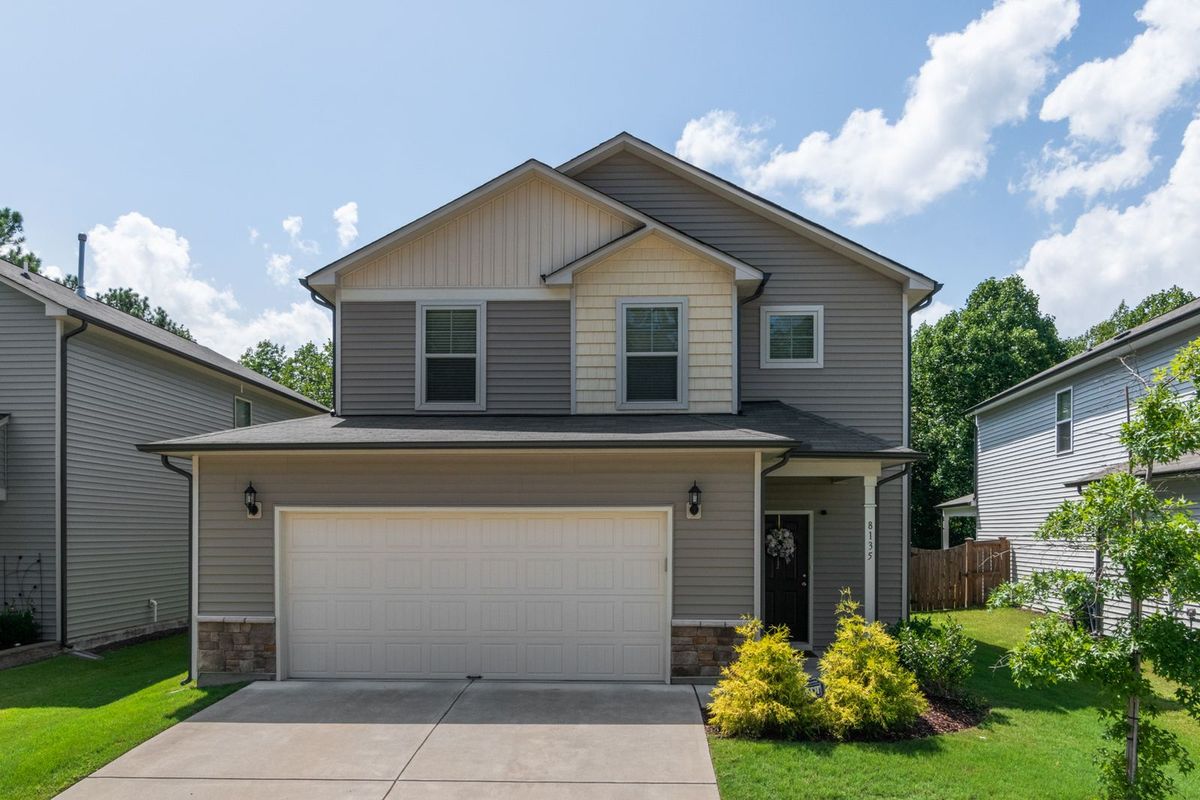
A share of the homes around the lake are second homes or weekend places, used in bursts and then left closed for weeks. That is harder on a garage door than you might think.
If you use the house part-time, a maintenance visit at the start of the season is worth more than it would be for a home used every day. We lubricate, balance the door, test the springs and check the opener's safety reverse, so you find out about a tired spring in daylight rather than when it fails.
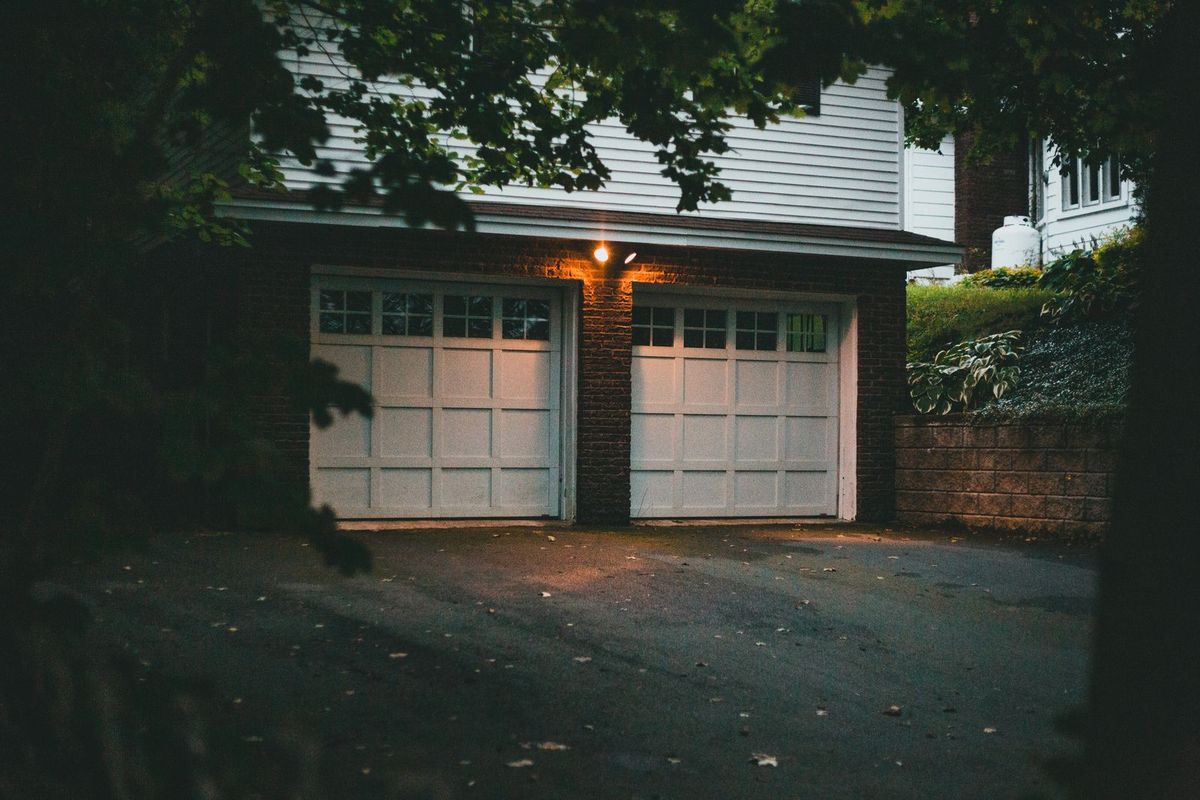
Gated and deed-restricted communities around Montgomery usually have rules about what can change on the outside of a house, and the garage door is a large part of the front elevation. If you are replacing a door, check your community's rules and any architectural review process before you order anything. Colour, panel style, windows and material can all be covered.
What we can do is help you prepare. We can measure the opening, tell you which styles and insulation levels suit the space, and give you the details your community may ask for. We do not give advice on what your rules allow; the association is the right place for that. Our installation and replacement page explains how a replacement job works from first visit to finished door.
Gated entrances also mean we need to be let in. When you call, tell us how access works for your community so the visit is not held up at the gate.
In and around the historic town centre, and on the older streets and country roads leading out of it, you will find a wider range of buildings than in the lake communities: older homes with detached garages, outbuildings, and small businesses. Some older garages still use extension springs with no safety cable running through them. If that describes yours, it is worth having safety cables fitted even if nothing is broken, because an extension spring that snaps without one can whip across the garage.
For shops and businesses in the area with roll-up or sectional doors, see our commercial garage doors page.
From the historic town to the lake and golf communities, call (936) 228-3826. Tell us what the door is doing, how old it is and how to get through the gate if there is one, and we will take it from there.
Questions
Yes. The lake and golf communities on the Montgomery side of the lake are part of our regular area, along with the town and the rural roads around it. Let us know how gate access works when you book.
Usually the door is out of balance. When springs weaken with age, or were never matched to the door, the opener ends up doing lifting it was not designed for. It slows near the top, strains, and eventually strips its gear. Fixing the springs often fixes the opener. See our opener repair page for the other common faults.
Often it is, if the wood is sound. Springs, cables, rollers and hinges can all be replaced on their own. If the bottom section is soft with rot, or several panels are cracked, a replacement may make more sense. We will tell you honestly which side of that line your door is on.
We advise against it. Torsion springs are wound under high tension and can cause serious injury if anything slips, and the lift cables carry the same load. Our spring repair page explains what a proper replacement involves.
We are open 24 hours a day, seven days a week. If the door is stuck open, or the car is trapped inside, call us. Our emergency garage door repair page covers how to keep the door safe until we arrive.
Get in touch
Call and talk to someone who does the work, or send the details and we'll get back to you.
Call (936) 228-3826